Building the Community Behind a Watershed Plan
A WRAPS Development Project brings watershed stakeholders together, identifies shared concerns, and equips local leaders to guide the watershed through assessment, planning, and implementation.
Local knowledge
Watershed leadership
Partner commitment
Start With People
Development begins by helping people understand the watershed and identifying everyone who should have a voice in its future.
Build awareness
Providing Information & Education
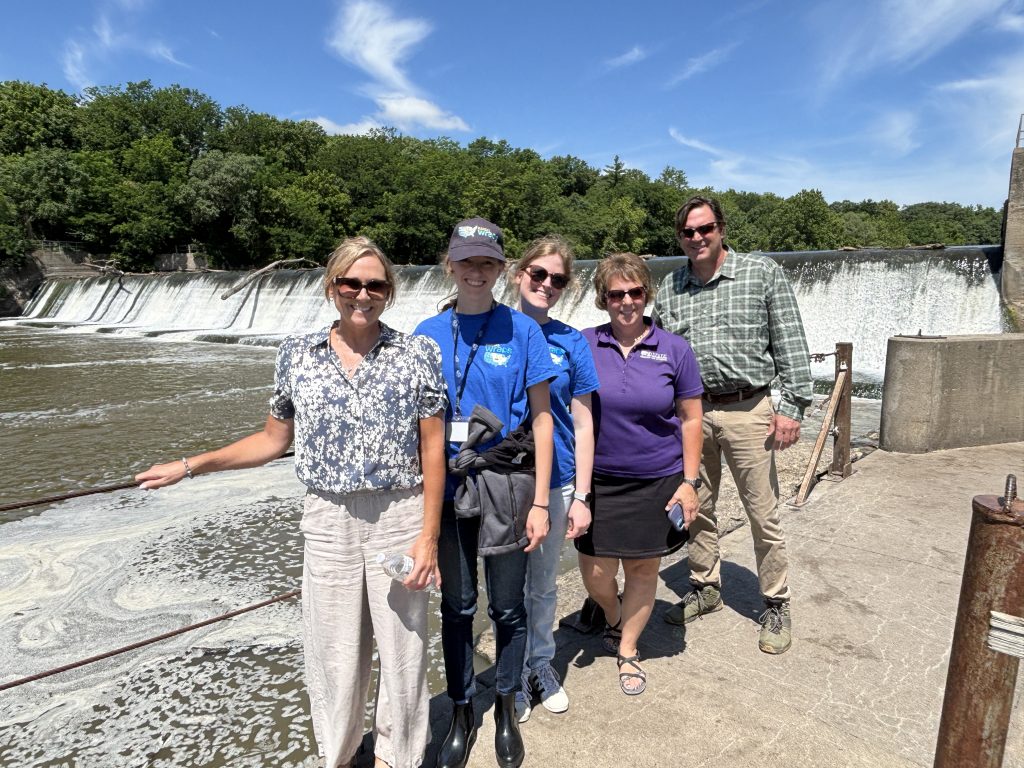
Effective education and involvement help identify public concerns, build consensus, and produce practical solutions. An activity such as a watershed tour can provide education and serve as a public meeting at the same time.
Three forms of involvement
- Public education
Build awareness of watershed conditions, concerns, and potential strategies.
- Public participation
Gather meaningful input through workshops, tours, meetings, and conversations.
- Public relations
Develop local and political support for the WRAPS process.
Find participants
Identifying Stakeholders
A stakeholder is anyone who lives or works in the watershed and has an interest in its future. The goal is to include a balanced range of perspectives rather than relying on only one group or organization.
Producers
Residents
Businesses
Local governments
Conservation districts
Extension agents
Community organizations
Look for agencies, organizations, and individuals who have demonstrated local leadership and can help build participation in the WRAPS process.
Understand the Community and Watershed
Local interest, existing information, and community knowledge provide the starting point for identifying the watershed’s most important concerns.
Listen
Determining Stakeholder Interest
Interest is often strongest when watershed protection is connected to economic livelihood or quality of life, including drinking water, recreation, agriculture, tourism, or community development.
Use public meetings, watershed tours, workshops, and one-on-one conversations to learn who is ready to participate.
Research
Compiling & Organizing Information
Before collecting new information, assemble the watershed data, plans, inventories, and assessments that already exist.
- KDHE
- Kansas Water Office
- Biological Survey and Wildlife & Parks
- Local governments
Land-use plans, zoning maps, and source-water assessments
- Conservation districts
Define concerns
Identifying Concerns & Issues
Local stakeholders possess valuable knowledge about watershed conditions, land-use changes, problem areas, and community priorities that may not appear in existing reports.
Formal meetings and informal conversations both help reveal the unique concerns the WRAPS should address.
Turn Participation Into Local Leadership
A WRAPS needs a dependable group of local leaders who can guide decisions, communicate with the community, and maintain long-term support.
Organize
Form a Leadership Team
A core planning group of approximately 5–12 members should include a balanced mix of stakeholders, project cooperators, and agency representatives.
A conservation district, Extension office, rural water district, or another trusted organization can provide administrative support, accounting, and meeting space.
Commit
Secure Community Commitment
- Ask municipalities or watershed districts to adopt a resolution of support.
- Invite local organizations to designate representatives for the leadership team.
- Ask agencies and community partners to formally participate as project cooperators.
8
Prepare the Development Project Report
The Development Report documents the community foundation established for the WRAPS and prepares the project to move into watershed assessment.
The report should identify:
- 01
Who the watershed stakeholders are and how their interest was generated.
- 02
Information, education, and public-participation activities completed.
- 03
Available watershed information and the concerns identified locally.
- 04
Leadership Team members and the level of stakeholder commitment.
Supporting resource
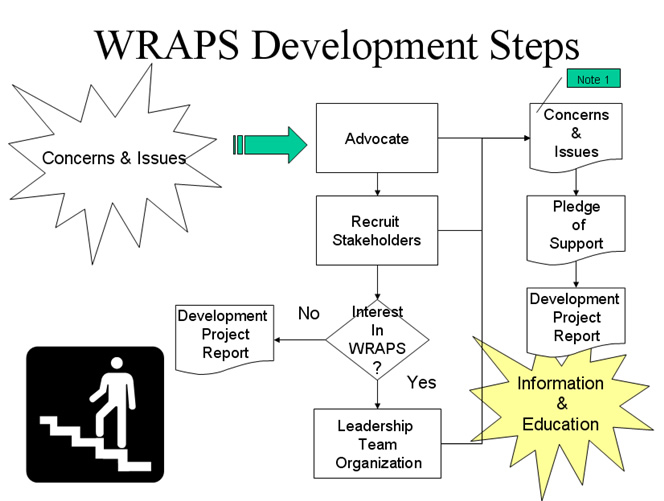
View the WRAPS Development Flowchart
Next Step: Assessment
Once the community is organized and engaged, the next step is to characterize watershed conditions and identify needs and opportunities.