Understanding the Watershed Before Taking Action
A WRAPS assessment establishes a clear picture of current watershed
conditions before priorities and projects are selected. It brings
together monitoring data, field observations, watershed modeling,
and local knowledge.
This process helps communities identify where restoration is needed,
where healthy resources should be protected, and which actions are
most likely to improve water quality.
What conditions exist today, what needs attention, and where can
resources make the greatest difference?
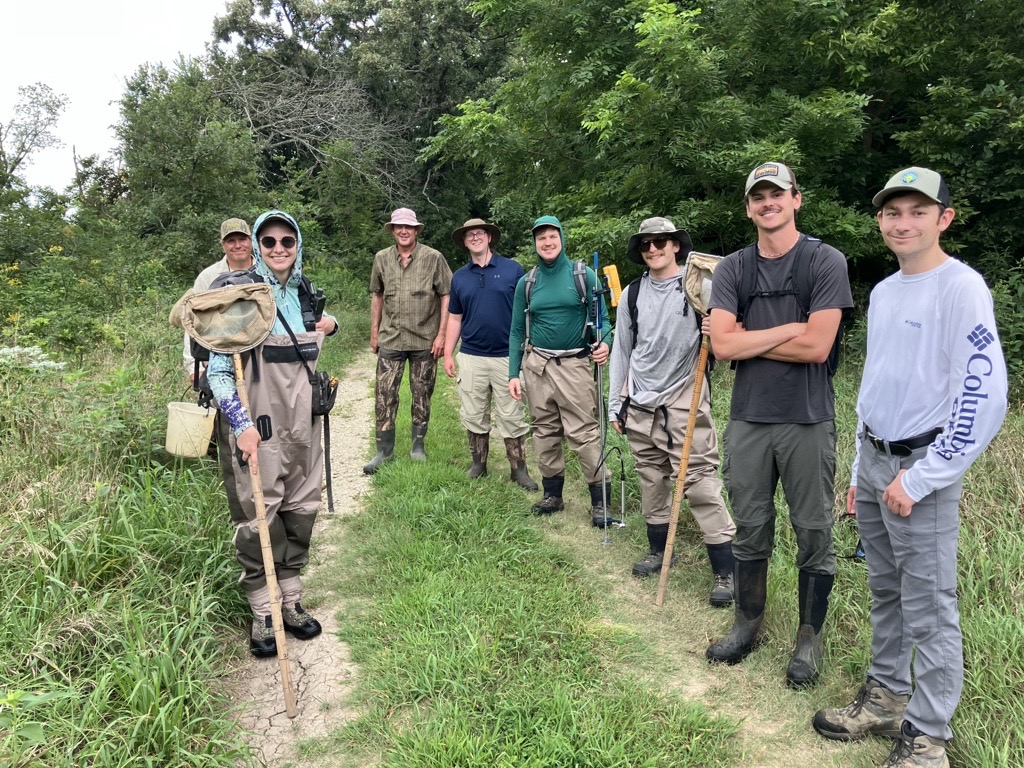
Kansas watersheds.
Six Objectives of Assessment
Each objective builds the information needed to move confidently
from assessment into watershed planning.
Information & Education
Share technical information and involve watershed stakeholders.
Assessment Criteria
Define the benchmarks used to evaluate watershed conditions.
Resource Inventories
Compile water-quality, land-use, biological, and field information.
Needs & Opportunities
Identify resources needing restoration or continued protection.
Watershed Models
Estimate pollutant sources and potential management outcomes.
Assessment Report
Document findings and provide a foundation for planning.
Collecting Information Where It Matters
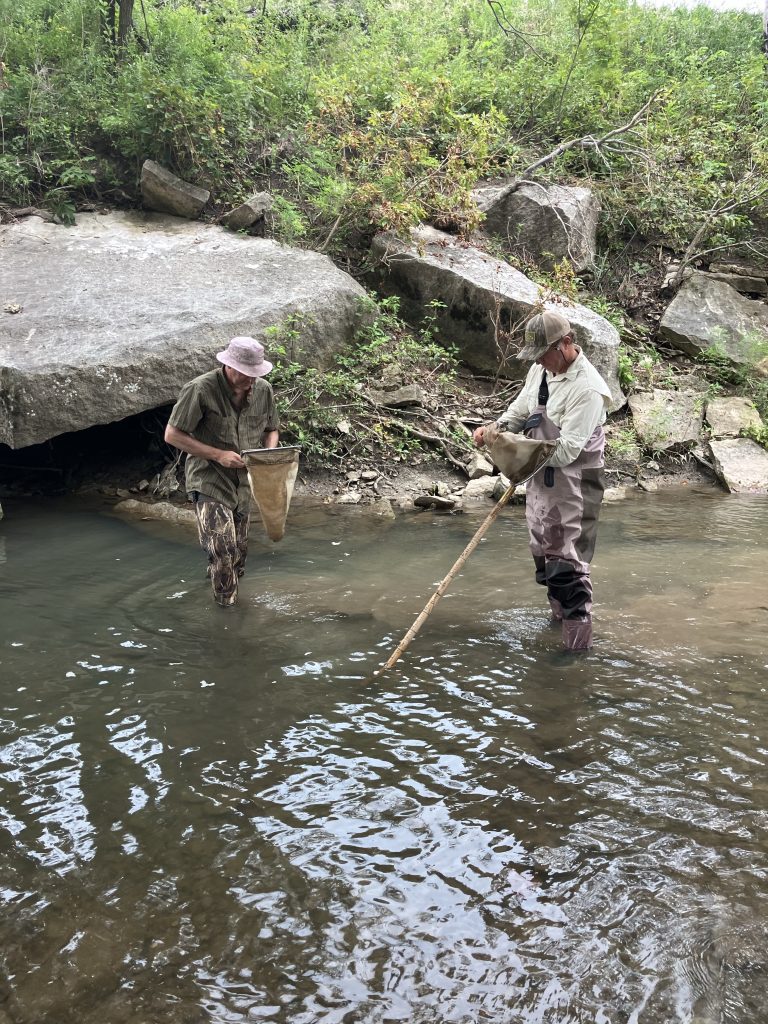
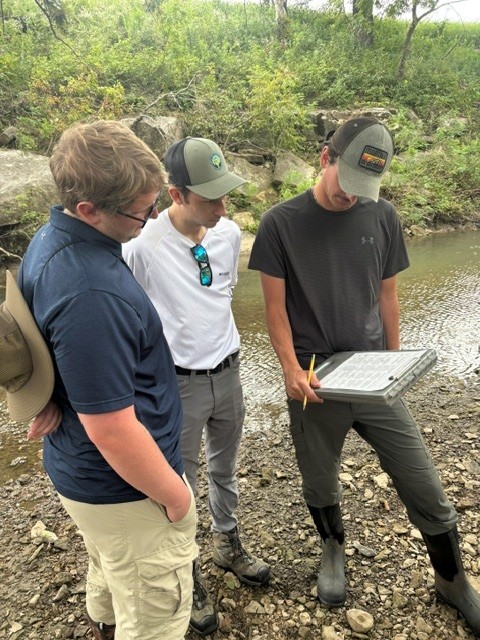
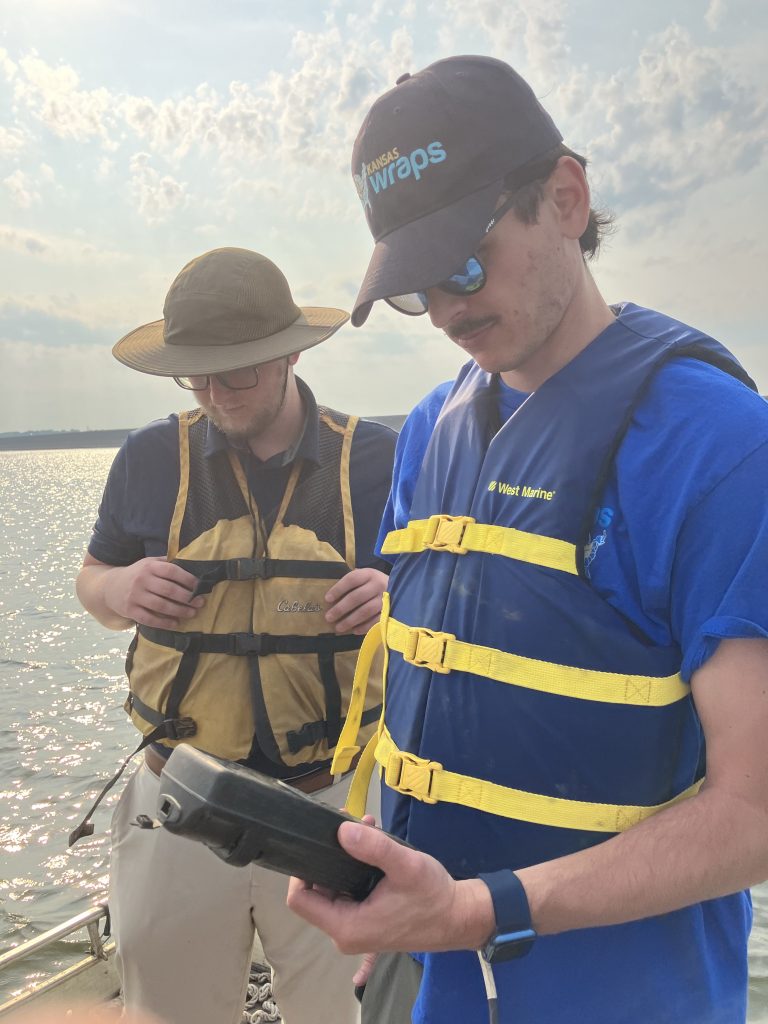
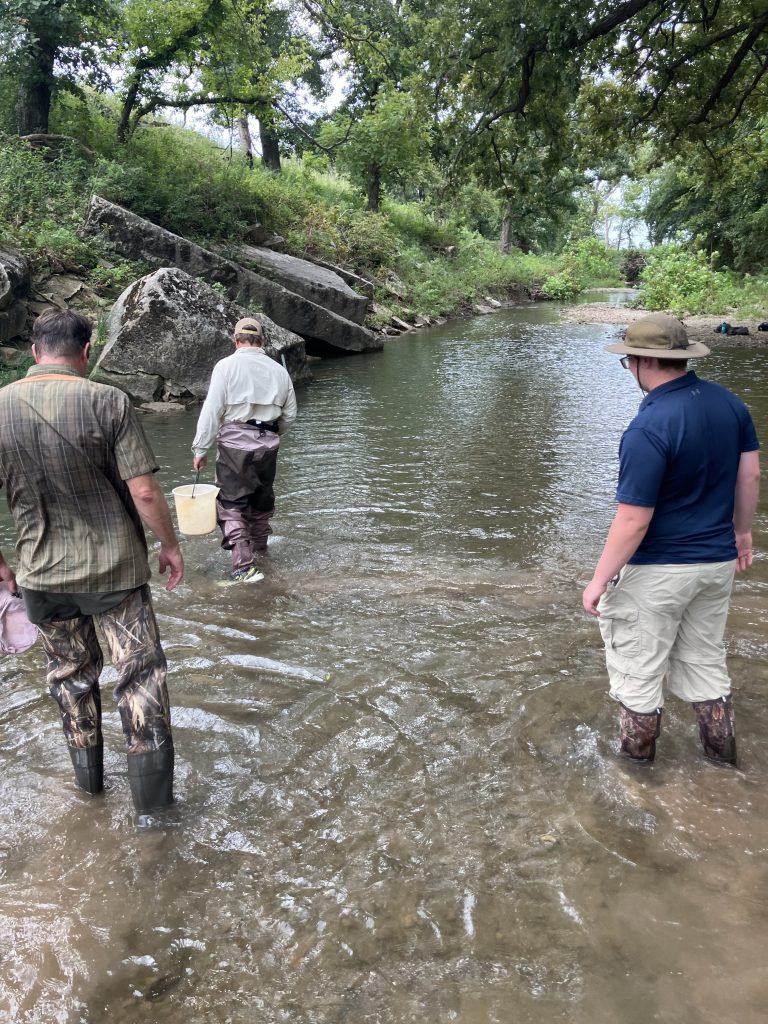
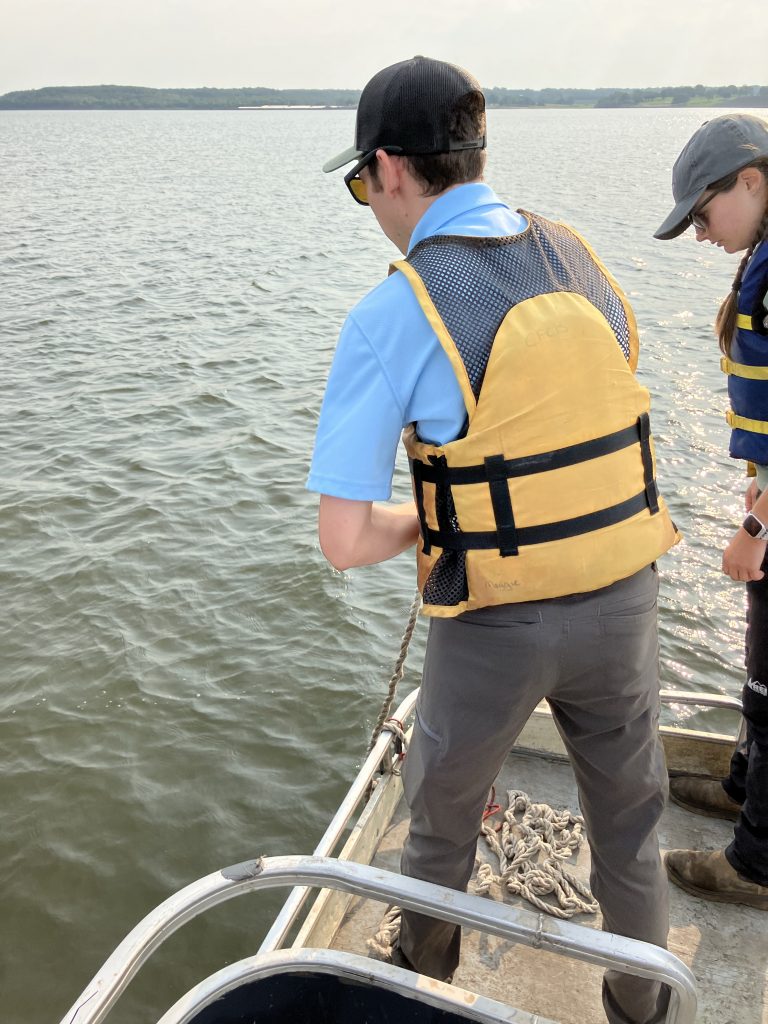
Assessment is more than reviewing reports. Teams may visit streams
and reservoirs, examine aquatic habitat, review field information,
collect samples, and work with partner organizations to understand
watershed conditions.
How the Assessment Process Works
Provide Information & Education
Technical information is shared in understandable ways so local
stakeholders can participate meaningfully in the assessment.
- Informational meetings and workshops
- Watershed tours and demonstrations
- Educational and technical materials
Establish Assessment Criteria
Criteria describe the desired condition of watershed resources and
provide benchmarks for evaluating current conditions and progress.
Conduct Resource Inventories
Existing information and new observations are assembled to evaluate drinking-water supplies, recreation, irrigation, aquatic life, and other designated uses.
- Water-quality monitoring data
- Biological and habitat surveys
- Land-use and watershed information
- Existing impairments and TMDLs
Identify Needs & Opportunities
Actual conditions are compared with assessment criteria to identify areas needing restoration and healthy resources that should receive continued protection.
Develop Watershed Models
Models help estimate runoff, pollutant sources, and how the watershed
may respond to different management practices.
- Estimate conditions where limited data exist
- Compare possible management actions
- Identify cost-effective approaches
- Support future monitoring decisions
Prepare the Assessment Report
The final report documents the assessment process, summarizes
conditions, identifies restoration and protection priorities, and
provides the technical foundation for watershed planning.
Turn Assessment Findings into a Watershed Plan
Once watershed conditions and priorities are understood, partners can
establish goals and select actions to restore and protect water resources.